
By Alavandar Venu Madhav, General Secretary, Singareni Retired Employees Welfare Association
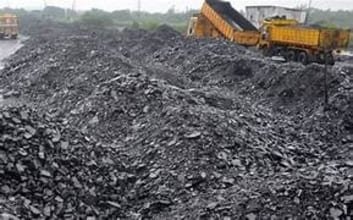
Coal mine workers, who stood as the backbone of the nation’s economy, spent their lives in dark underground mines to bring light to the country. From power generation to major industries, every sector once depended heavily on coal, and the hard work of mine workers became the foundation of national development. Unfortunately, after dedicating decades of service and risking their lives, these workers are now forced to survive on humiliatingly low pensions after retirement.
Today, thousands of coal mine pensioners are receiving pensions ranging from just ₹1,000 to ₹2,000 per month. Considering rising prices, medical expenses, and family needs, this amount is nowhere near sufficient for survival. The question that must be asked is — who is responsible for this miserable situation?
Negligence of the Central Government
Since the implementation of the Coal Mines Pension Scheme (CMPS-1998), there have been no significant revisions in pensions. While central and state government employees, bank employees, and pensioners from other sectors regularly benefit from Dearness Allowance (DA), fitment revisions, and pay commission recommendations, coal mine pensioners continue to be neglected.
Governments make promises regarding workers’ welfare during elections, but once in power, they appear to completely ignore this issue. Criticism against the lack of political will is growing stronger among pensioners.
Failure of the CMPF System
Coal Mines Provident Fund Organisation was established to safeguard the future security of coal mine workers. However, serious concerns are being raised regarding its role in pension revision matters.
There are allegations of lack of transparency in the management of pension funds, failure to strongly recommend pension enhancement to the central government, and negligence in bringing the real-life struggles of pensioners to the attention of policymakers. As a result, dissatisfaction among pensioners is steadily increasing.
Weakening of Trade Unions
Trade unions, which once fought aggressively for workers’ rights, are now perceived as weakened and divided. The absence of united struggles on crucial issues like pension enhancement has reduced pressure on governments.
There is also criticism that unions raise the pension issue only during elections and remain silent afterward. History has repeatedly shown that governments rarely respond without sustained movements and collective action.
Silence of Public Representatives
MPs and MLAs elected from coal mining regions have largely failed to raise this issue strongly in Parliament and state assemblies. It is painful that public representatives who gained thousands of pensioners’ votes are showing indifference toward their hardships.
Rising Cost of Living – Declining Value of Pension
In today’s economic conditions, it is impossible for an elderly pensioner to survive on ₹1,000 or ₹2,000 per month. Expenses for medicines, medical tests, hospital treatment, and essential commodities have increased drastically, while pensions have remained stagnant for years. This is nothing short of injustice.
Immediate Demands
- Minimum coal mine pension must be increased to at least ₹10,000 per month
- Dearness Allowance (DA) must be linked to pension
- A special committee should be formed for pension revision
- Pending pension claims must be settled immediately
- Trade unions must unite and launch collective movements
- A special discussion must be held in Parliament on this issue.
Coal mine workers who created wealth for the nation are today forced to live in humiliating conditions during their old age. The negligence of the central government, the failure of the CMPF system, weak trade unions, and the silence of public representatives — all together are responsible for this situation.
Providing a dignified life to workers who risked their lives in the mines is both the moral duty of the government and society. Pension is not charity — it is the rightful entitlement of every worker.