
Report by Kamgar Ekta Committee correspondent
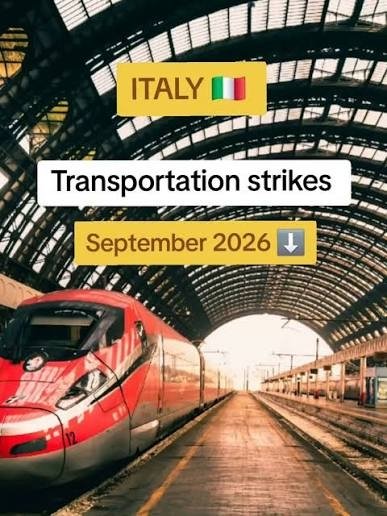
Rail workers of Italy went on a 24-hour nationwide strike on 7 September which strike affected high-speed, long-distance and regional tarin services.
The National Assembly of Train Drivers and Onboard Personnel, CUB Trasporti, SGB and CAT union members are opposing deteriorating working conditions and privatisation. They are demanding wage increases in line with inflation. They also want improved health and safety protections, shorter working hours, safeguards for apprentices and night-shift workers, an end to outsourcing, and lower retirement ages.
This strike follows an earlier strike in July 26 and is part of a wave of industrial actions across Italy as workers resist declining real wages, worsening conditions and government-backed restructuring.
The recent escalation in strikes is driven by several issues affecting workers which are similar to what Indian rail workers are facing:
- Severe Workload and Staff Shortages: A lack of robust recruitment has led to intense work schedules, unsustainable pressure on staff, and highly compressed rest windows.
- Workplace Safety and Fatal Accidents: Safety has become an emotionally charged focal point following tragedies like the 2023 Brandizzo accident, where five track maintenance workers were killed by a high-speed train. Unions frequently cite a dilution of safety protocols to speed up operations and cut corporate costs.
- Stagnant Wages vs. Cost of Living: Workers demand the renewal of national collective labor agreements (Contratto Collettivo Nazionale di Lavoro) to increase salaries in line with post-pandemic inflation and the general cost-of-living crisis.
- Opposition to Privatization and “Spezzatino”: Unions vehemently oppose the “carve-up” (spezzatino) of the national Intercity rail service into localized services. They argue that increased outsourcing to private contractors breaks national solidarity of workers and takes away workers’ benefits.
- Staff and Passenger Security: Following an increase in physical altercations and verbal harassment on transit routes, onboard and station staff are demanding tighter security measures and enhanced protections.