
Report by the correspondent of Mazdoor Ekta Committee
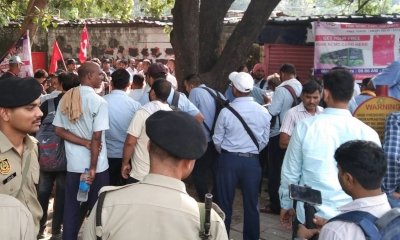
More than 32,000 employees of the Delhi Transport Corporation (DTC) have been on strike since September 15. Among them are nearly 10,000 drivers, 20,000 conductors, and other staff who have been appointed through contractors of private companies. These employees operate DTC’s electric and cluster buses. The DTC Employees Ekta Union has led this strike.
The agitating employees are demanding an increase in their daily wages. They are demanding that the daily wage be raised from Rs. 862 to Rs. 2,000. Along with this, they are demanding ESI, health insurance and medical facilities, accident insurance, weekly offs, paid leave, festival bonus, overtime, etc. They have also raised demands that in the event of an accident or vehicle damage, punitive deductions should not be made from the drivers’ basic salary, and all contract workers should be regularized and absorbed into the DTC.
The Mazdoor Ekta Committee fully supports the struggling DTC workers and stands shoulder to shoulder with them in their struggle.
Why Did the Employees Go on Strike?
During discussions between the striking workers and activists of the Mazdoor Ekta Committee at several major depots, including Burari, Nangloi, Khanpur, GTK, Nehru Place, and Shadipur, the employees stated that in these times of high inflation, it has become extremely difficult for them to make ends meet and to bear the expenses of their children’s education and health with such meager pay. Moreover, they are made to work continuously without leave, which causes them mental stress. If there is minor damage to the bus, money is deducted directly from their salary. They shared that the Delhi Government has blocked the IDs of the drivers leading the strike.
According to the striking workers, prior to these issues, they had held several rounds of talks with the government. However, with no concrete written assurance received from the government regarding wage hikes and other demands, they were forced to go on strike.
Growing Contracting in the Bus Transport System
DTC is a government institution. It has outsourced the maintenance and operation of electric buses and cluster buses to certain capitalist automobile companies as “main contractors.”
One of the main contractors is JBM Auto Limited, which has been entrusted with the manufacturing, operation, and maintenance of Delhi’s new electric bus fleet. The other major main contractor is Tata Motors, which operates cluster and electric low-floor buses. Another contractor company supplying and operating electric buses is PMI Electro Mobility. Additionally, there are several other contractor companies such as Antony Garage, Prasanna Purple, AB Grain Spirits, and Shashi Travels, which have taken main contracts for operating various routes.
The main contractors do not directly recruit drivers and conductors. The task of hiring them on contract has been handed over to third parties (sub-contractors). These sub-contractors hire drivers on daily wages or monthly contracts. Some prominent names among these sub-contractors include TeamLease Services, InnoSource, GL Staffing, and SIS India Limited. These sub-contractors deduct their commission from the workers’ Provident Fund (PF) and wages.
DTC, which is the primary employer and whose responsibility is to provide public bus transport services to the people of Delhi-NCR, is criminally shirking its duty to ensure fair wages and working conditions for these contract workers who run its transport services.
Trade Unions and Workers’ Organizations Supported the Striking DTC Workers
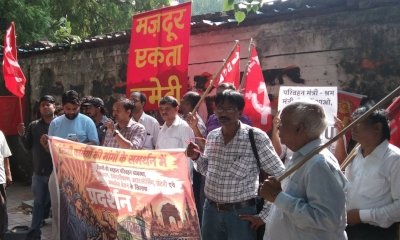
On September 21, at the Hari Nagar bus depot, Delhi Joint Trade Unions held a vigorous joint demonstration in support of the strike and submitted a memorandum to Delhi’s Labour Minister. On behalf of the Mazdoor Ekta Committee, Santosh Kumar addressed the demonstration. Supporting the struggling DTC employees, he emphasized that the DTC management is depriving workers of their rights and openly violating labor laws. Providing public transport services to the public is the responsibility of the government, and it must immediately fulfill the legitimate demands of the employees.